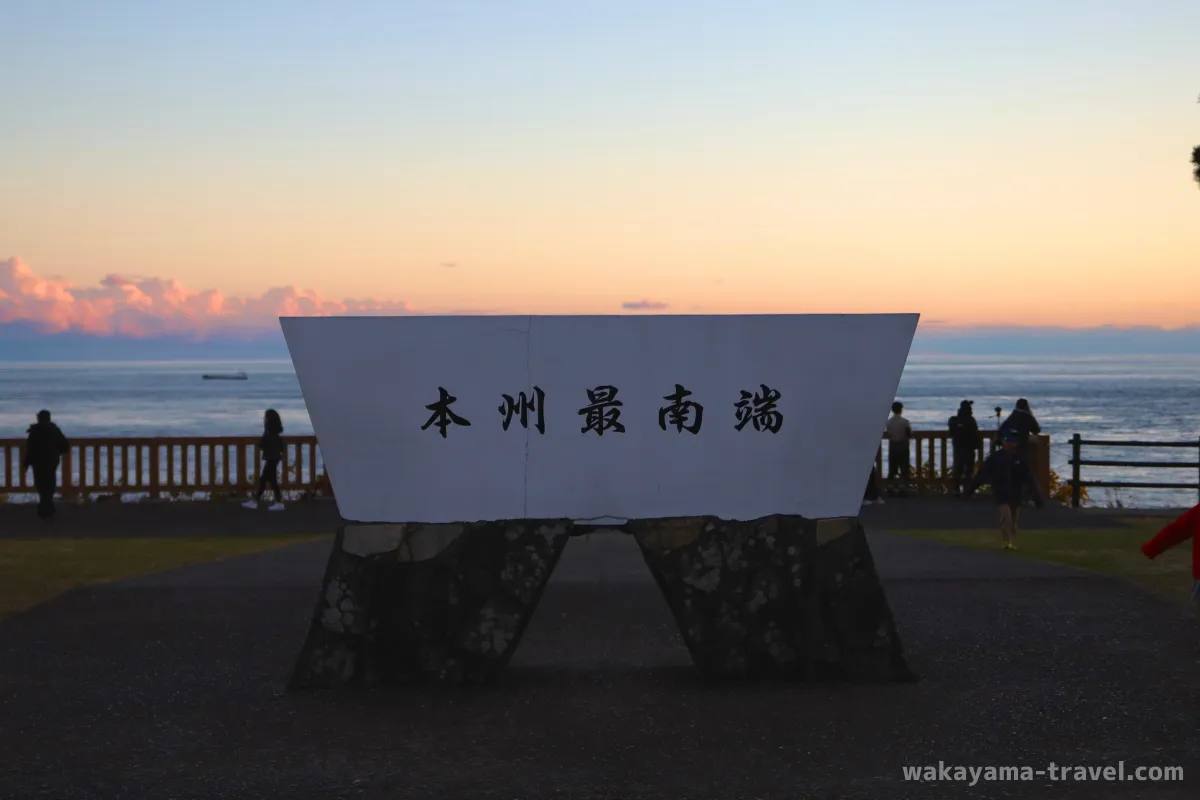

“Those stairs at Kimiidera look pretty steep…”
“How long do I need if I want to see it during cherry blossom season?”
“Where can I get a goshuin stamp?”
If you’re visiting Kimiidera for the first time, you’ve probably had questions like these.
In this article, we’ll answer all of that and more — access, parking, the cable car, goshuin stamps, cherry blossom timing, and nearby sightseeing spots. Basically everything you need to enjoy Kimiidera to the fullest.
Feel free to use this as your travel guide for the day!
What Is Kimiidera? A Quick Refresher
Let’s start with the basics about Kimiidera.
“Kimiidera” — The Surprising Story Behind the Name
Kimiidera is pronounced “Kimi-i-dera.”
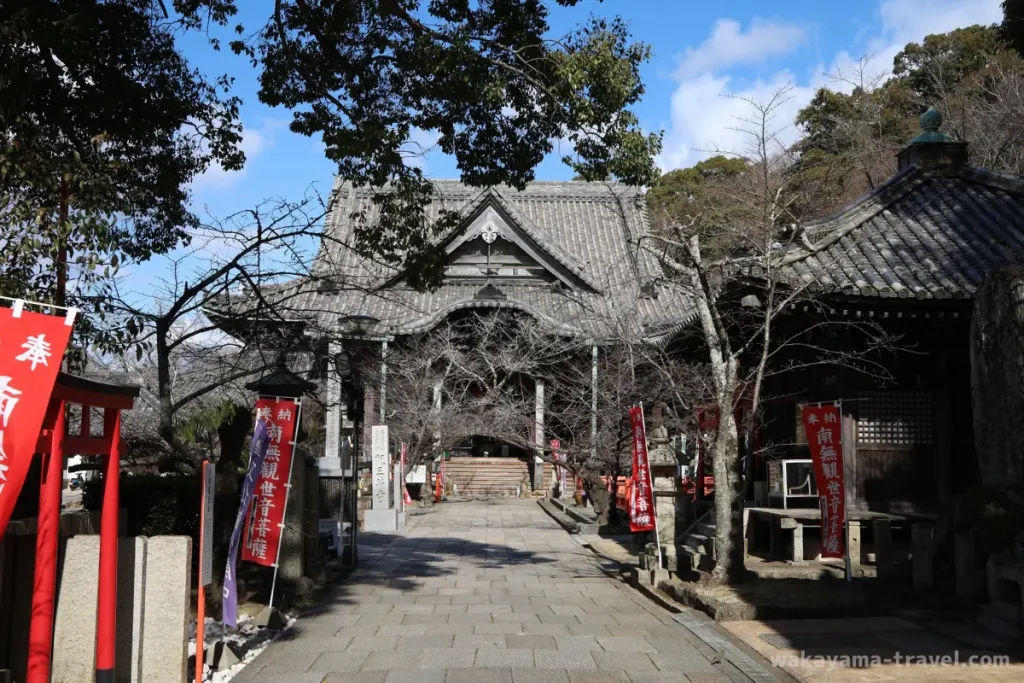
The name comes from three sacred springs found within the temple grounds.
- Shojosui (the “Purifying Water”)
- Yoryusui (the “Willow Water”)
- Kisshosui (the “Water of Good Fortune”)
These three wells (san-i, meaning “three wells”) gave the temple its name — Kimiidera, literally “the temple of the three wells of Kishu.”


All three springs are recognized as one of Japan’s “100 Best Waters” by the Ministry of the Environment, and they’re still flowing on the grounds today.
Kimiidera’s History and the “Saigoku Sanjusansho” Pilgrimage
Kimiidera is the second temple on the Saigoku Sanjusansho pilgrimage route, drawing visitors from all over Japan.
It was founded in 770 AD (Nara period) by the monk Iko Shonin, who traveled to Japan from Tang China. With over 1,200 years of history, it’s an ancient and storied temple. It was also deeply respected by the Kishu Tokugawa clan, whose successive lords visited to pray for the domain’s prosperity.
Saigoku Sanjusansho is a pilgrimage route connecting 33 temples dedicated to Kannon, mostly scattered across the Kansai region. In 2019, it was recognized as a Japan Heritage site, described as “a 1,300-year journey of spiritual reflection.” Kimiidera is the second stop on that route.
(The first stop is Seiganto-ji, next to Kumano Nachi Taisha)
Its official name is “Kimiisan Kongo Hoji Gokokuin,” and it currently serves as the head temple of the Kuseikannon sect.
Admission, Hours, and Basic Info at a Glance
Here’s what you need to know before you go.
| Item | Details |
|---|---|
| Visiting hours | 8:00 AM–5:00 PM (Main Hall & Sutra Office) 8:30 AM–4:30 PM (3rd floor observation deck of the Buddha Hall) |
| Walking pilgrimage | Free |
| Observation deck admission | ¥100 (Free for elementary and junior high school students, accompanied by a guardian) |
Cable Car Information
Here are the operating hours and fares for the cable car.

| Item | Details |
|---|---|
| Operating hours | 8:30 AM–4:30 PM |
| Fare | Adults: ¥400 admission + ¥200 one-way cable car Elementary/junior high students & ages 70+: ¥200 admission + ¥100 one-way cable car |
| Discounts | Free for wheelchair users and one accompanying companion |
Prices and hours are subject to change. Please check the official website for the latest information.
Getting to Kimiidera & Parking Info
Kimiidera is easy to reach — there’s a JR station right nearby, plus convenient bus and car access.
Getting There by Train or Bus
Both train and bus will get you there, but JR is the simplest option.
- By JR
-
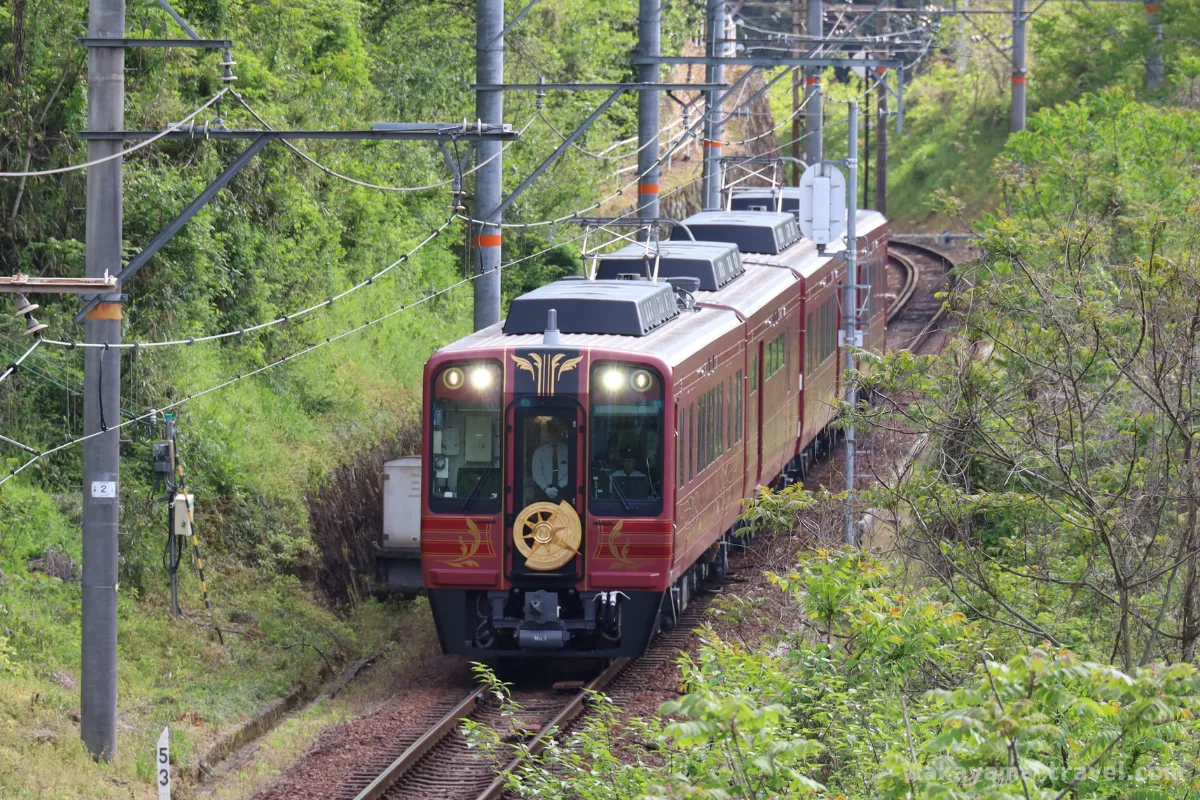
- From JR Wakayama Station, take the JR Kinokuni Line (Kisei Main Line) heading south
- Get off at the second stop, JR Kimiidera Station
- About a 10-minute walk from the station
- By Bus
-
- From Nankai Wakayamashi Station, take a Wakayama Bus bound for Kainan
- Get off at the “Kimiidera” bus stop
- About a 5–10 minute walk from the bus stop
If you arrive by train, you can actually spot the temple’s silhouette from the platform at JR Kimiidera Station — that’s how close it is.
You won’t have any trouble finding your way from the station to the main gate.
Driving There & Parking Info
If you’re coming from the Osaka area, the Hanwa Expressway is your best bet.
- “Wakayama IC” → head south on Kokutai Road for about 4km → roughly 20 minutes
- “Wakayama Minami Smart IC” (ETC only) → head south on Kokutai Road for about 1.7km → roughly 15 minutes
- Parking Info
-
Kimiidera has two dedicated visitor parking lots.
- スクロールできます
Parking Lot Location Fee North Gate Lot About 200m
north of the main gate¥300 per vehicle Hilltop Lot Up the road from the north gate,
right below the main hall¥700 per vehicle
+ admission (¥400 adults, ¥200 elementary/junior high) -
The hilltop lot sits right below the main hall and has elevator access, so you’ll barely need to climb any stairs.
If you use the north gate lot plus the cable car, the total cost ends up being about the same either way. If you’re visiting with two or more people, the hilltop lot can actually work out cheaper.
We’d especially recommend the hilltop lot if you’re worried about stairs or visiting with elderly family members.
All of Kimiidera’s dedicated parking lots currently charge a fee.
You might come across claims of “free parking” online, but that’s usually people confusing it with nearby private coin-operated lots — so keep that in mind.
During cherry blossom season and New Year’s, things get busy, so we’d recommend arriving early or taking public transportation.
Highlights of Kimiidera — Make the Most of the Grounds
Kimiidera’s spacious grounds are full of things to see. Here are some of the standout highlights.
The 231-Step “Ketsuen-zaka” — A View Worth Climbing For
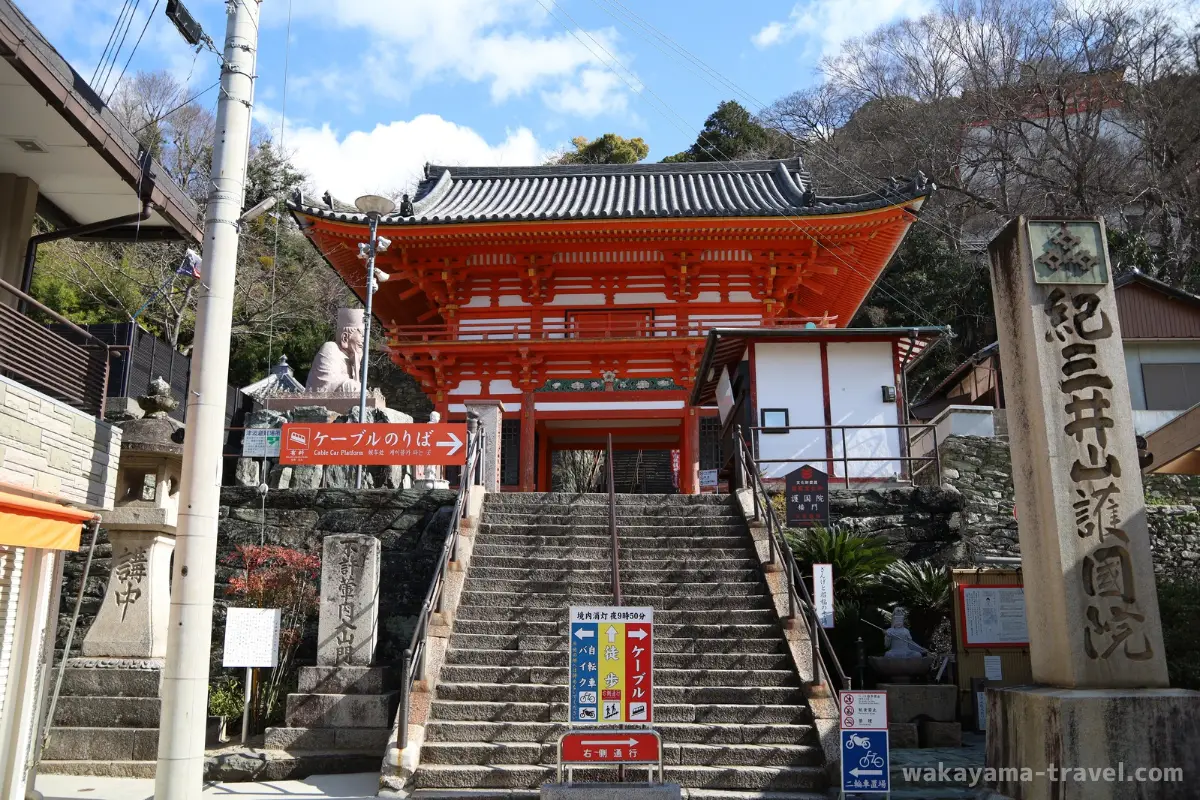
These 231 stone steps are one of Kimiidera’s most iconic features.

Once you pass through the main gate, you’re met with a steep stone staircase rising ahead of you. This is the famous “Ketsuen Yakuyoke-zaka” (roughly, “the slope of fateful connections and warding off misfortune”). The number 231 comes from adding together the traditional unlucky ages (25, 33, 42, and 61) — the idea being that you climb past your misfortunes as you make your way up to pray.
Legend has it that a young Kinokuniya Bunzaemon had a fateful encounter on these very steps that later helped him become one of Japan’s great merchants.
The view from the top is well worth the climb. You’ll see Wakanoura Bay stretching out in the distance along with the Wakayama cityscape — scenery beautiful enough to have earned Japan Heritage recognition as part of “Wakanoura: A Treasury of Scenic Beauty.” Working up a sweat to get here definitely pays off.
The Three Sacred Springs — Where the Temple Gets Its Name
The three sacred springs on the grounds are the origin of Kimiidera’s name and a must-see stop.
They’re located partway up the stone staircase, so you’ll naturally pass by them as you climb.
- Shojosui: said to purify the body
- Yoryusui: said to help heal illness
- Kisshosui: said to bring longevity and good health
Together, the three are known as “Sansei-sui,” and they’ve been designated one of Japan’s 100 Best Waters by the Ministry of the Environment.
The Great Kannon Statue, Pagoda, and Main Gate — Not to Be Missed
The grounds are dotted with historic structures.
Here are a few spots that especially deserve your attention.
- Buddha Hall (Great Kannon Statue)
-
Built in 2002, the Buddha Hall houses a massive 12-meter-tall standing Eleven-Faced Kannon statue. Made of lacquered, gold-leafed wood-joined construction, it has an incredible presence.

Access to the 1st floor of the Buddha Hall is included in your admission, and for an extra ¥100 you can head up to the 3rd floor observation deck for gorgeous views over Wakanoura.
- Tahoto Pagoda
-
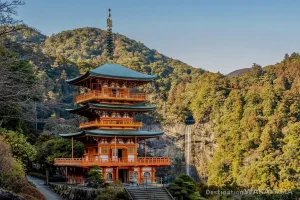
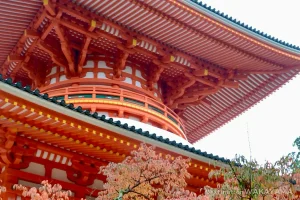
Built during the Kamakura period, this pagoda is designated an Important Cultural Property. During cherry blossom season, the contrast between the vermilion pagoda and the soft pink blossoms is simply stunning.
- Main Gate
-
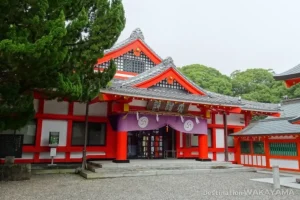
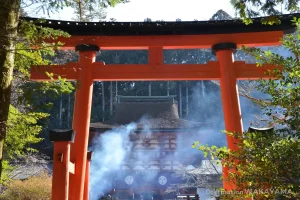
Dating to the Muromachi period, this gate is also an Important Cultural Property. Its striking vermilion paint makes it a favorite photo spot for visitors.

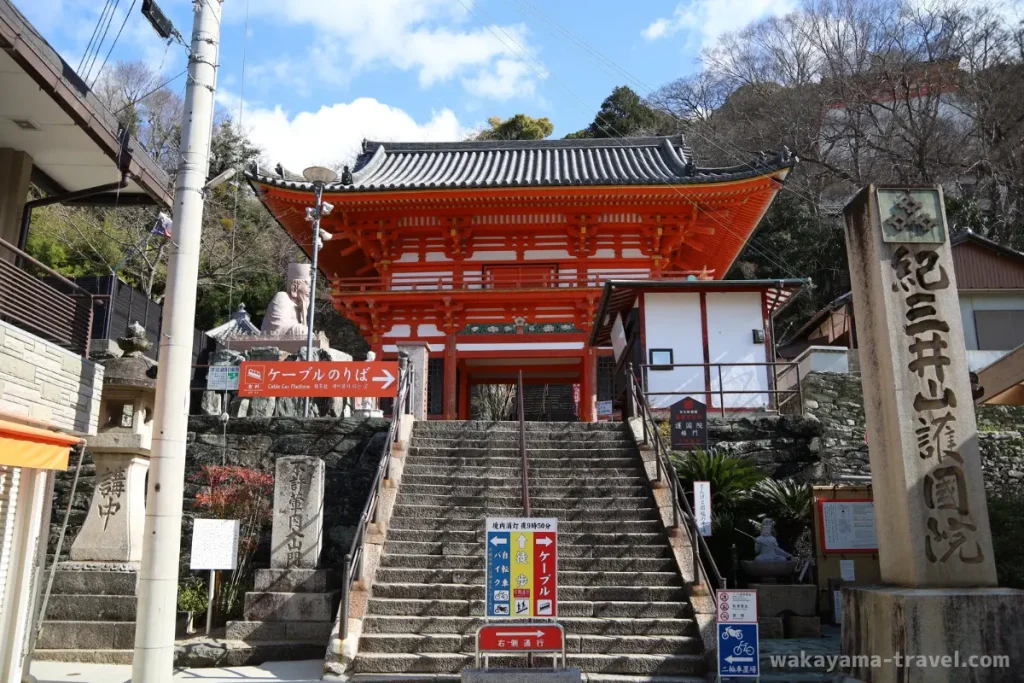
Cherry Blossoms at Kimiidera — One of Wakayama’s Best Hanami Spots
Kimiidera is one of “Japan’s Top 100 Cherry Blossom Spots” and one of the earliest-blooming cherry blossom destinations in the Kansai region.
Why Kimiidera’s Cherry Blossoms Are So Famous
The grounds are home to around 500 cherry trees, including Somei Yoshino and Yamazakura varieties. It’s known for blooming earlier than anywhere else in Kansai each year, earning it the nickname “the temple that brings spring to Kansai.”
There’s even an official reference cherry tree on the grounds used by the meteorological observatory — when this tree blooms, it’s reported in the news as the arrival of spring in the region.
Best Time to Visit & Top Viewing Spots
The blossoms typically peak from mid-March to early April.
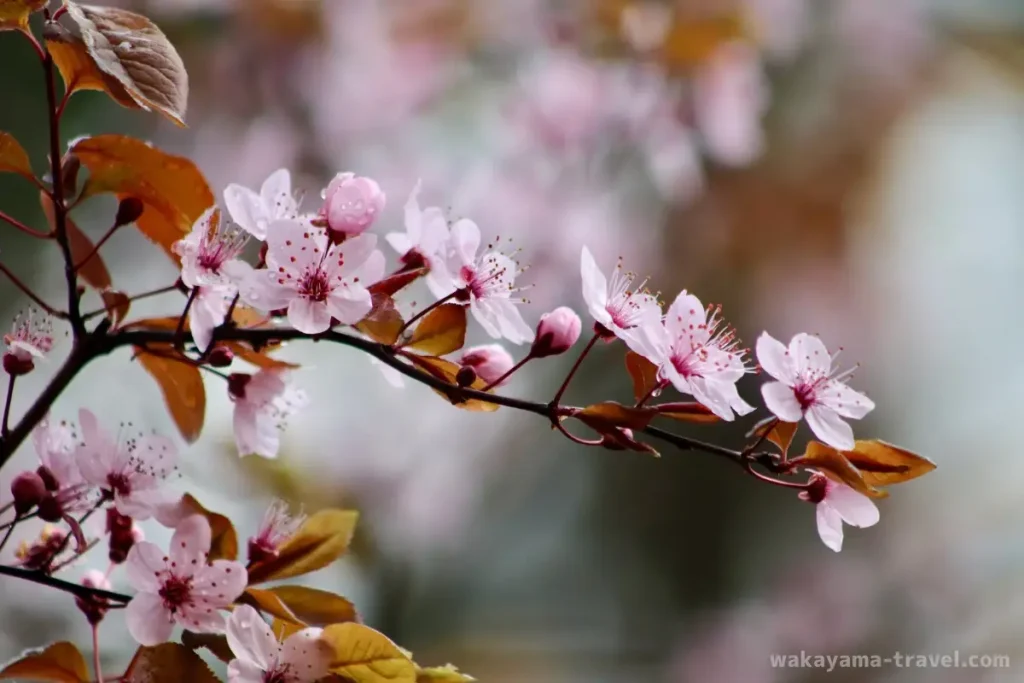
Every year from around March 20th to April 20th, Kimiidera holds a Cherry Blossom Festival with nighttime illuminations. The vermilion pagoda glowing against the pale pink blossoms in the dark creates a magical atmosphere completely different from the daytime view.
From the grounds, you can take in the Wakayama cityscape and the sea of Kishu through the cherry blossoms — a “blossoms, city, and sea” view you won’t find anywhere else.
Crowds and Tips for a Smoother Visit
Cherry blossom season gets especially busy, so weekday mornings are your best bet.
During the festival period, weekends in particular draw big crowds. Parking lots tend to fill up fast, so if you’re driving, we’d strongly recommend arriving right when the gates open (around 8 AM).
Taking the train or bus is often less stressful, since you won’t have to worry about parking. JR Kimiidera Station is just a compact 10-minute walk away, so public transit is well worth considering.
Getting a Goshuin Stamp: What to Expect
There are several places at Kimiidera where you can receive a goshuin stamp.
Types, Locations, and Fees
You can receive a goshuin at the following locations at Kimiidera:
- Main Hall
- Hozoin
- Shojuin
- Fumonin, and others
A goshuin is a stamp given by temples and shrines as proof of your visit. It typically includes handwritten calligraphy — often the temple’s name and the enshrined deity — along with a red seal, making each one a one-of-a-kind keepsake.
If you don’t have a goshuin book yet, you can pick one up during your visit. Since Kimiidera is the second stop on the Saigoku Sanjusansho pilgrimage, it’s also a great place to start if you’re thinking about doing the whole route.
The proper etiquette is to receive your goshuin after you’ve finished paying your respects — not before. Make sure to visit the main hall and pray first, then head over to collect your stamp.
Nearby Attractions & Places to Stay Around Kimiidera
Here are some recommended sightseeing spots and accommodations near Kimiidera.
Nearby Spots You Can Reach on Foot or a Short Drive
There’s plenty to see around Kimiidera. If you want to cover it efficiently, a car is your best bet, though buses work too.

- Katanoami Beach
-
About a 10-minute drive. This beautiful beach is part of the Japan Heritage site “Wakanoura: A Treasury of Scenic Beauty” and even appears in the Manyoshu, Japan’s oldest poetry collection. With well-maintained walking paths, it’s popular with families too.
- Wakanoura
-
This whole area is a Japan Heritage-designated scenic district, dotted with historic spots like Tamatsushima Shrine, Furo Bridge, and Mt. Tengu.
Kishu Toshogu Shrine, dedicated to Tokugawa Ieyasu and the lords of the Kishu Tokugawa clan, is also located in this area.
- Wakayama Castle
-
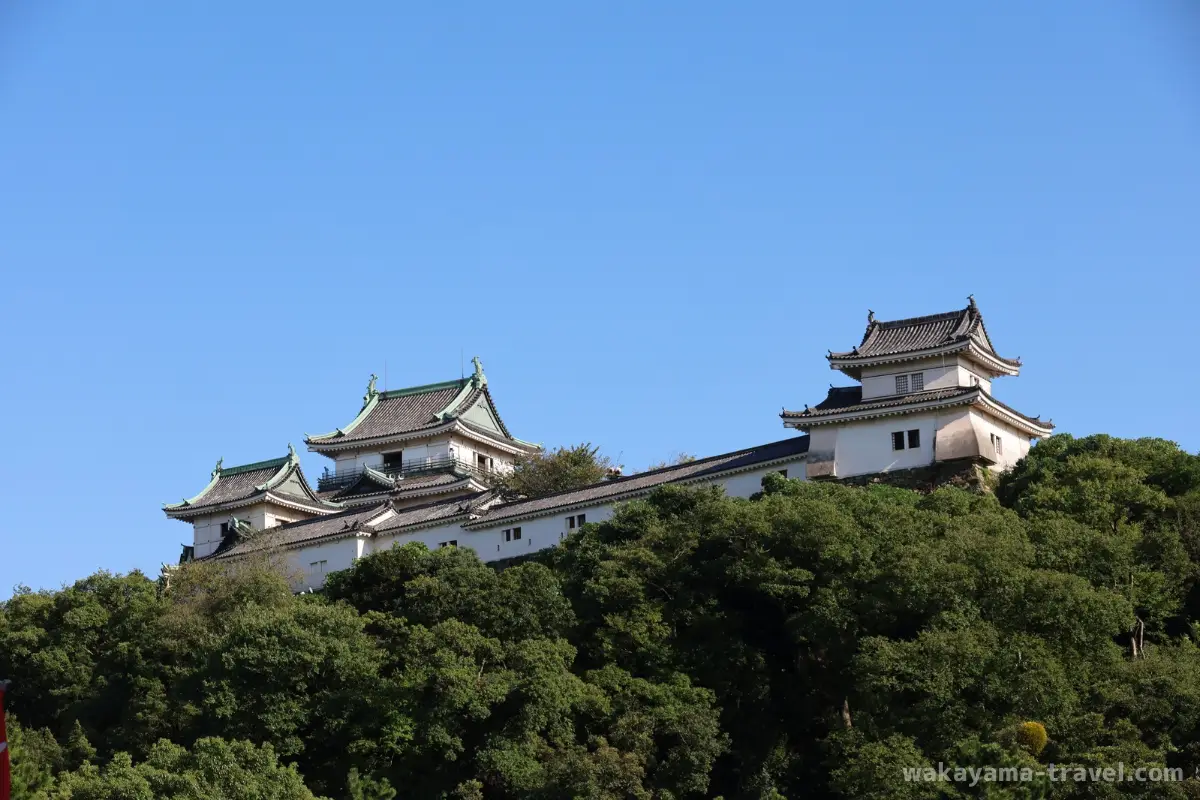
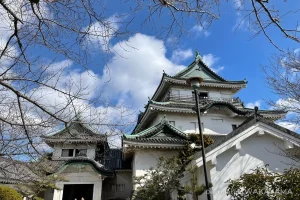
About a 20-minute drive. Wakayama Castle features a keep with deep ties to the Tokugawa family, and the cherry blossoms in the surrounding park are famous in their own right. It pairs perfectly with a visit to Kimiidera in a single day.
- Marina City (Kuroshio Market & Porto Europa)
-
About a 10-minute drive or bus ride. Located on a man-made island at the southern edge of Wakayama City.
Porto Europa, designed after medieval Europe, has even been used as a filming location for movies.
If you’re after good food, check out Kuroshio Market for fresh local seafood bowls, or enjoy a barbecue outdoors.
Convenient Areas to Stay for Exploring Wakayama
We’ll introduce two types of accommodation in Wakayama City: hotels in the “central city area,” great for combining sightseeing across multiple spots, and “seaside/resort-style” places around Kimiidera and Wakanoura.
Pick whichever fits your travel style and goals.
Central Wakayama City Hotels — Convenient for Sightseeing
Hotels in the central city area make a great base if you’re planning to hit multiple sightseeing spots.
Around JR Wakayama Station and Nankai Wakayamashi Station, you’ll find everything from business hotels to mid-sized hotels, all offering easy access to just about anywhere in the city.
Here are a few notable options.
| Hotel | Highlights | Reservation |
|---|---|---|
| Daiwa Roynet Hotel Wakayama | A castle-view hotel looking straight out at Wakayama Castle. Easy to use for both sightseeing and business trips. | booking.com Expedia Agoda Hotels.com Trip.com Klook |
| Candeo Hotels Nankai Wakayama | Directly connected to Nankai Wakayamashi Station. Don’t miss the open-air bath with sweeping city views. | booking.com Expedia Agoda Hotels.com Trip.com Klook |
| Comfort Hotel Wakayama | Just a short walk from JR Wakayama Station. Great value for a budget-friendly stay. | booking.com Expedia Agoda Hotels.com Trip.com Klook |
Basing yourself at a station-adjacent hotel makes it easy to plan sightseeing by bus or train.
Seaside & Resort Stays Near Kimiidera and Wakanoura — For a Location-First Getaway
If you’d rather soak in ocean views and resort vibes, look into the Wakanoura or Kada area.
The Wakanoura area has a scattering of ryokan and hotels offering hot springs and fresh seafood. Since you’ve made the trip to Wakayama City anyway, why not treat yourself to a relaxing stay by the sea?
| Property | Highlights | Reservation |
|---|---|---|
| Wakanoura Onsen Manpa | A hot spring ryokan overlooking Wakanoura Bay. Sunset views and fresh seafood are the highlights. | Booking.com Expedia Agoda Hotels.com Trip.com Klook |
| Marina City Hotel | A resort hotel located at Marina City. Enjoy ocean views along with a breakfast buffet packed with local Wakayama ingredients. | Booking.com Expedia Agoda Hotels.com Trip.com Klook |
Seaside accommodations tend to fill up on weekends and holidays, so we’d recommend booking early.
In Summary: Kimiidera Is a Wakayama Treasure Worth Visiting Again and Again

Kimiidera brings together history, nature, breathtaking views, and cultural experience — making it an essential stop on any trip to Wakayama.
It’s beautiful not just during cherry blossom season, but also with fresh greenery in early summer and colorful leaves in autumn. There’s always something new to discover, no matter how many times you visit.
Bring this guide along and enjoy everything Kimiidera has to offer!
- Address: 1201 Kimiidera, Wakayama City, Wakayama Prefecture
- Phone: 073-444-1002
- Official website: https://www.kimiidera.com/
Information is subject to change. Please check the official website for the most up-to-date details.

コメント